You are ready to enter the U.S. market, but one question keeps controlling the entire E-2 strategy: what business gives you the strongest approval path? For many investors from treaty countries, including Canada, the answer is not the cheapest business or the trendiest one. It is the business that best proves real operations, active ownership, and room to grow beyond supporting only you.
At Mayo Law, our attorneys regularly help founders, operators, and cross-border investors assess whether a venture fits both U.S. immigration rules and commercial reality. That matters because the E-2 visa program remains a high-usage pathway. It reached 54,364 visas issued in fiscal year 2024, with approval rates staying consistently between 87% and 93% over the past decade according to E-2 visa statistics summarized from U.S. Department of State data.
The best businesses for E-2 visa approval usually share a few traits. They are credible, document-heavy, operationally real, and built for hiring or expansion. Below are eight categories that often make practical sense, especially if you are targeting New York or building a U.S.-Canada structure.
1. Technology, Software Development, and Digital Media
You may already have revenue in Canada, a product in market, and a plan to open in New York. For E-2 purposes, the question is whether the U.S. company looks like a real operating business from day one, with committed spending, defined management duties, and a credible path to hiring.
This category often works well because tech businesses can document how capital is being deployed. Development contracts, cloud infrastructure, software licenses, computers, office space, marketing spend, payroll setup, customer agreements, and founder compensation planning all help show that the investment is active and at risk. The distinction is important because officers do not approve concepts. They approve businesses that are being built and run.
What makes tech credible
Strong tech filings show execution. I want to see signed client contracts or pilot agreements, a product roadmap tied to actual invoices, a hiring plan, and clear records showing who owns the code, brand, and customer relationships.
For Canadian founders, the cross-border structure needs special attention. A New York entity may handle U.S. sales, onboarding, account management, and support while a Canadian company continues product development. That structure can be commercially sound, but it needs careful planning around ownership, tax, and IP control. Mayo Law discusses those issues in choosing the right entity for your U.S. business. It also helps to align that entity choice with your broader E-2 visa strategy for investing and building your business in the U.S..
Investment levels in this category vary widely, which is both an advantage and a risk. A lean software consultancy may start with a lower budget if the file clearly shows payroll, equipment, office costs, and signed business already in motion. A SaaS company with a longer sales cycle usually needs a larger capital commitment because officers will expect enough funding to carry development, customer acquisition, and staffing through launch. In both models, job creation matters. Immediate headcount is not always required, but the business plan should show who gets hired, when, and why the numbers make sense.
Good fits inside this category
- SaaS products: Best cases include subscription contracts, implementation plans, customer support workflows, and a budget that covers more than coding.
- Digital agencies: These are often easier to document because retainers, service agreements, contractor costs, and near-term hiring needs are concrete.
- Video and podcast studios: Camera, editing, and production equipment create a clear spending trail, especially when paired with booked projects or channel revenue.
- Creator management and digital media companies: These work better when talent agreements, sponsorship revenue, licensing terms, and monetization channels are already in place.
One recurring weak point is the founder’s role.
If your day-to-day duties sound passive, the case gets harder fast. The investor should be directing growth, managing staff or vendors, controlling budgets, driving sales, and making operational decisions that explain why the business depends on that person being in the United States.
What tends to underperform? Pre-revenue apps with little more than mockups, businesses waiting on future fundraising to become operational, and structures where the U.S. entity has no real function beyond collecting revenue. Tech can be a strong E-2 category, but only when the file shows an operating company with money committed, responsibilities defined, and a practical reason to exist in the New York market.
2. Import/Export and E-Commerce Businesses
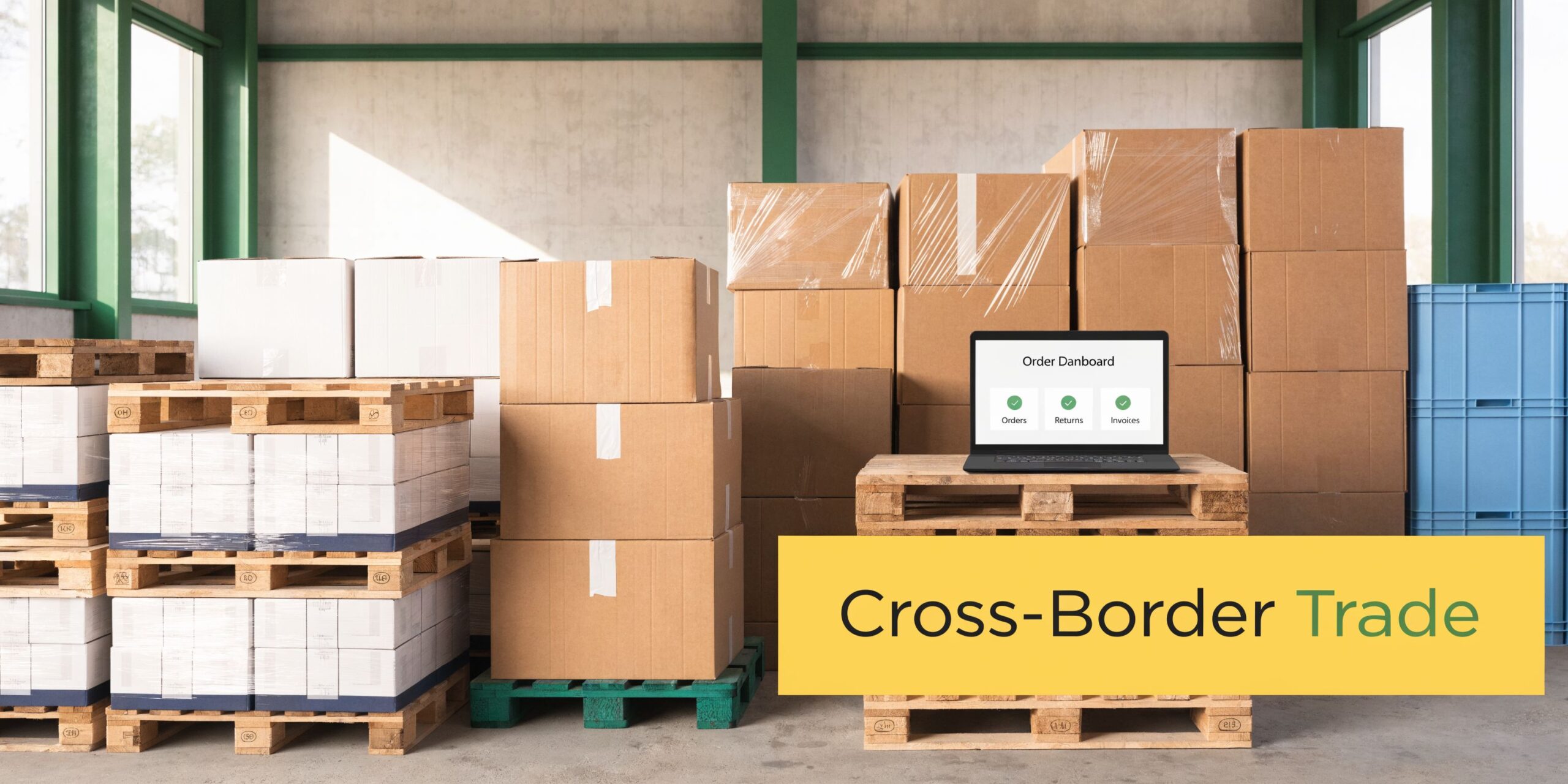
Cross-border trade is a natural E-2 category because inventory, supplier relationships, and logistics create visible evidence of a real enterprise.
If you import specialty goods into the U.S., distribute industrial equipment, or run an e-commerce business with warehousing and fulfillment, you can usually document the business in a way officers understand quickly. Purchase orders, customs records, leases, inventory reports, platform statements, and shipping agreements all help.
Why this category often works
For Canadian investors, import/export can be especially practical. You may already know the suppliers, the customer base, or the product niche. That makes the U.S. operation easier to explain as a real expansion rather than a paper company built only for immigration.
Businesses in this category also tend to fit the E-2 requirement that the investment be at risk and committed to operations. Inventory, freight, warehousing, packaging, software, and staffing all support that story. Mayo Law covers the legal framework in this E-2 visa guide on investing and building your business in the U.S..
Strong examples
A few models show up repeatedly in viable E-2 planning:
- Specialty food importers: Useful when distributor contracts and compliance systems are ready.
- Industrial distributors: Strong if tied to ongoing supply relationships.
- Cross-border e-commerce brands: Better when they control inventory rather than relying only on drop-shipping.
- Luxury or craft goods importers: Especially persuasive when the founder has direct sourcing access.
The weak version of this business is a generic online store with thin margins and no operational footprint. The strong version has stock on hand, shipping systems, market research, and supplier terms that show durability.
3. Professional Services, Consulting, and B2B Services
Service businesses can be very strong E-2 vehicles when your expertise is the engine of the company and the company is built to grow beyond solo consulting.
This category includes management consulting, IT services, engineering support, recruiting, marketing advisory, and cybersecurity. It works best when the investor can show a specialized background, signed client work, and a path to hiring staff.
Why officers often respond well to B2B services
These cases can be straightforward if the file answers three questions clearly. What are you selling? Why are you qualified to sell it? Who is buying it already?
A Canadian executive opening a U.S. market-entry consultancy in New York may have a credible E-2 case if the company has anchor clients, service packages, and a delivery model that does not depend only on the founder doing every billable hour forever.
That is where the business plan matters. Financial projections alone do not carry the case. The plan must tie your contracts, pricing, credentials, staffing, and timeline into a coherent growth story. Mayo Law addresses that in this guide to E-2 visa business plan requirements.
What to document carefully
- Client contracts or letters of intent: These help show demand.
- Founder credentials: Licenses, portfolio work, and prior leadership matter.
- Delivery systems: Office setup, software stack, workflows, and staffing plans matter.
- Cross-border purpose: If you serve both U.S. and Canadian clients, explain why the U.S. location is commercially necessary.
A good consulting case shows a company with systems, not a person with a laptop.
What hurts approval odds? A vague “advisory” business with no niche, no pipeline, and no reason the investor must be in the United States to run it.
4. Hospitality, Food Service, and Restaurant Franchises
This is one of the oldest E-2 categories, and for good reason. Restaurants, lodging businesses, and food service operations usually involve visible spending, leases, equipment, inventory, and local employees.
Among the most approved businesses for E-2 visas are franchises and service-oriented enterprises, with Joorney reporting those sectors make up over 25% of their E-2 business plans in practice. Their examples include brands such as Subway, Anytime Fitness, Hampton Hotels, Estrella Insurance, and OMEX cleaning services in a discussion of profitable businesses for E-2 investors.

Why franchises help, and where they can fail
The upside is obvious. An established franchise may provide brand recognition, training, operating manuals, supplier systems, and financial models. That can make the business easier to explain and easier to document.
The risk is also real. If the investor appears too passive, the same franchise model can become a problem. A food or retail franchise only works well if your role in hiring, operations, budgeting, and growth is concrete and provable.
Best uses of this category
- Quick-service or fast-casual restaurants: Best when location research is solid.
- Boutique hotels or specialty lodging: Strong if management systems are clear.
- Ethnic or niche restaurant concepts: Better when the founder brings market knowledge or brand differentiation.
- Food production plus retail: Can be strong if the operation is broader than a single storefront.
A bad file in this category often has a polished franchise package but weak evidence of owner control. A better file shows training schedules, staffing charts, vendor onboarding, and the investor’s active management role from day one.
5. Niche Retail Stores and Boutique Concepts
Retail is harder than it looks, but the right concept can still be one of the best businesses for E-2 visa approval.
The key is differentiation. A boutique that sells the same products as every nearby store struggles to look compelling. A retail concept with exclusive suppliers, a recognizable brand, a clear customer profile, and an online-offline strategy has a much stronger case.
What makes a boutique business persuasive
A good niche retail case usually combines four things: a physical location, curated inventory, a founder with sector knowledge, and a plan to build repeat traffic. Think designer consignment, wellness retail, specialty books, hobby stores, artisanal home goods, or a premium gift concept.
For Canadian investors, this category can make sense if you already operate the brand north of the border and are opening a U.S. location. That gives the case a practical expansion story. New York, especially in the right neighborhood, can reward a retail concept that serves a defined audience rather than “everyone.”
The trade-offs
Retail requires close attention to margins, lease terms, staffing, and seasonality. It also requires stronger location evidence than many service businesses.
You may want to build the case around:
- Exclusive vendor relationships: These show your concept is not easily copied.
- Inventory forecasting: This helps support non-marginal operations.
- Brand assets: Trade name, packaging, social content, and merchandising matter.
- Omnichannel sales: A storefront plus online sales often tells a better growth story.
Retail weakens when the concept is generic or the investor cannot show why this store deserves to exist in this market.
6. Manufacturing and Light Industrial Operations
If you want a business type that usually looks substantial on paper, manufacturing deserves serious attention.
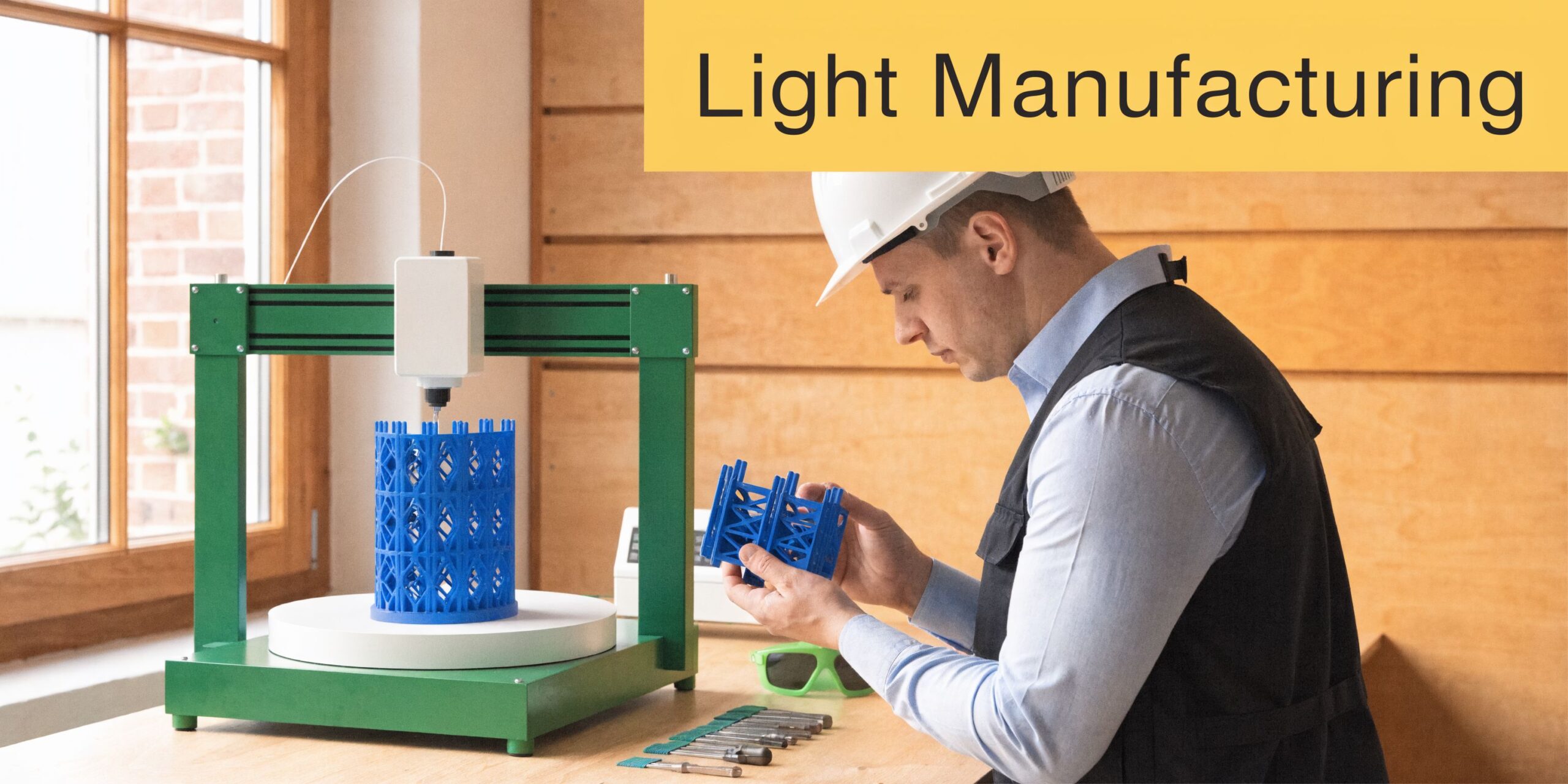
Machinery, leases, production equipment, raw materials, and workforce planning give this category a strong documentary foundation. Officers can often see, quickly, that the company is real, capital-intensive, and built to produce economic activity.
Where this model shines
Custom fabrication, food processing, specialty assembly, 3D printing, and component manufacturing can all work well. A Canadian company opening a light assembly or finishing operation in New York may also have a practical cross-border story if the U.S. site shortens delivery times or supports U.S. customers directly.
Documentation that carries weight
This type of business benefits from tangible proof:
- Equipment invoices: These show committed capital.
- Facility lease or purchase records: These establish a real operating site.
- Customer orders or letters of intent: These support revenue projections.
- Hiring and training plans: These show the business is more than a shell.
Manufacturing cases often succeed or fail on operational detail. Show throughput, suppliers, quality control, and customer demand, not only broad projections.
The challenge is execution. Manufacturing can involve licensing, zoning, environmental, safety, and supply chain issues. If those basics are not addressed early, the application may look incomplete even if the business itself is strong.
7. Medical and Healthcare Services
Healthcare businesses can be excellent E-2 candidates because they combine investment, community need, recurring revenue potential, and clear operations. But this category is less forgiving than others.
Licensing comes first. If the core service requires a professional license, the file must show that the business can legally operate and that the investor’s role is realistic within the regulated structure.
Strong healthcare models
Dental practices, physical therapy centers, counseling operations, home healthcare administration, and medical device distribution are common examples. A specialty clinic or therapy center may be persuasive if the plan includes compliant systems, staffing, and referral relationships.
For investors entering a regulated field, immigration strategy has to match licensing and compliance strategy. Mayo Law addresses those issues in our overview of health industry licensing and compliance.
What separates a strong file from a weak one
A strong healthcare case usually includes:
- Facility and equipment spending
- Licensing pathway or existing licenses
- Staffing model
- Referral or payer relationships
- Privacy and compliance systems
The weak version is a healthcare concept that assumes credentials, payer setup, and regulatory approvals can all be solved later. That is rarely persuasive.
This category is often best for operators who already understand the field, whether as clinicians, administrators, or owners. If your value is operational rather than clinical, make that role explicit and document who handles the licensed care.
8. Real Estate Development and Property Management
Real estate can support an E-2 case, but only if it is an active business.
That distinction matters. Passive ownership of property, by itself, is usually not enough. Active development, renovation, leasing operations, and property management are much more viable because they show day-to-day commercial activity and a genuine need for the investor’s direction.
Better real estate models for E-2
Property management companies, mixed-use development operations, renovation businesses tied to leasing, and specialized commercial real estate services generally fit better than simple buy-and-hold investing.
A Canadian investor targeting New York may have a workable model if the U.S. company acquires, improves, markets, leases, and manages assets as an operating business. That kind of case needs careful corporate and estate planning as well, especially where ownership spans borders. Some broader New York asset-planning considerations appear in Mayo Law’s discussion of the transfer on death deed in New York.
Important caution in this category
Property-heavy businesses can look substantial, but they can also look passive if the file focuses only on asset ownership. To avoid that problem, show the operating side clearly:
- leasing
- tenant management
- vendor coordination
- project supervision
- redevelopment work
- staffing or contractor oversight
This category is strongest when the investor is not merely parking capital in real estate, but actively running a management and development enterprise.
Top 8 E-2 Visa Business Comparison
| Business Type | Implementation Complexity | Resource Requirements | Expected Outcomes | Ideal Use Cases | Key Advantages |
|---|---|---|---|---|---|
| Technology, Software Development, and Digital Media | Moderate–High (development cycles, IP) | Product dev, engineering talent, studio/equipment, cloud infra; low physical inventory | Scalable recurring revenue, strong IP value, potential VC interest | SaaS, content platforms, digital studios, subscription services, cross-border teams | High scalability, IP strengthens E-2 case, recurring revenue, remote operations |
| Import/Export and E‑Commerce Businesses | Moderate (logistics, customs) | Inventory capital, logistics, working capital, customs compliance | Predictable operations, tangible asset valuation, multiple sales channels | Cross-border retail/wholesale, specialty importers, marketplace sellers | Tangible inventory for E-2 valuation, clear documentation, USMCA advantages |
| Professional Services, Consulting, and B2B Services | Low–Moderate (client delivery, dependency on expertise) | Office/tools, professional credentials, minimal inventory, marketing | High-margin retainers, recurring contracts, dependent on visa-holder expertise | Management/IT consulting, recruitment, engineering advisory, financial services | Demonstrates essential skills, documentable investment, scalable staffing |
| Hospitality, Food Service, and Restaurant Franchises | High (operations, health codes, staffing) | Significant capital for real estate, equipment, inventory, staff | Job creation, steady (sometimes seasonal) revenue, physical assets | Franchises, boutique hotels, specialty restaurants, ghost kitchens | Large tangible investment, strong employment evidence for E-2 approval |
| Niche Retail Stores and Boutique Concepts | Moderate (storefront operations, branding) | Store buildout, curated inventory, branding, omnichannel systems | Direct customer relationships, premium pricing, local presence | Luxury boutiques, artisanal home goods, specialty wellness stores | Clear differentiation, omnichannel potential, documentable storefront investment |
| Manufacturing and Light Industrial Operations | High (facilities, regulation, technical processes) | Heavy capital for machinery, facilities, compliance, workforce | Tangible assets, job creation, scalable production, long-term contracts | Custom fabrication, food processing, specialty electronics, 3D printing | Strong E-2 evidence via equipment and jobs; clear quantifiable investment |
| Medical and Healthcare Services | High (licensure, HIPAA, insurance) | Facility buildout, specialized equipment, professional licensure, compliance systems | Stable recurring revenue, community service, multi-location scaling | Dental/medical clinics, PT/rehab centers, mental health practices, device distribution | Professional credentials bolster visa case; predictable reimbursement revenue |
| Real Estate Development and Property Management | High (transactions, zoning, financing) | Very high capital for acquisition/development, financing, property management | Asset appreciation, recurring rental income, scalable portfolio | Commercial/residential development, multi-unit management, mixed-use projects | Tangible high-value assets, strong documentable investment, tax benefits |
Key Considerations for Your E-2 Visa Business Plan
Choosing the right business is the foundation of a strong E-2 filing. The best businesses for E-2 visa approval are not defined by hype. They are defined by operational reality, documented investment, and a business model that supports active ownership.
Some categories naturally make the case easier to prove. Franchises and service businesses continue to appear frequently in approved E-2 planning. Another source focused on E-2-friendly franchises notes that models such as Estrella Insurance and OMEX cleaning are often used because they come with training, operational benchmarks, and established systems in its discussion of E-2 visa business ideas. Those benefits matter, but they do not remove the need to prove your own control and day-to-day role.
Certain service models also stand out for their operating simplicity. For example, one immigration-focused article reports that laundromats have a 95% success rate in E-2 cases discussed there, presenting them as a low-risk option in a review of low-risk businesses that can support a U.S. visa. Even there, the same lesson applies. The business must still be actively directed, not passively held.
That point has become more important as franchise buyers and investors think about management structure. One 2025-focused article describes growing concern around proof of active control in franchise cases, especially where the investor’s role is too limited, in this discussion of best business ideas for the E-2 visa. Whether or not your business is a franchise, the strategic takeaway is the same. If the file cannot show that you develop and direct the enterprise, the business choice may become a weakness rather than a strength.
From a practitioner’s perspective, the strongest E-2 business plans usually do five things well:
- They show real spending: Funds are committed to leases, equipment, inventory, staffing, systems, or development.
- They define your role: The investor is clearly the person directing operations, growth, or delivery.
- They explain growth: The company is built to become more than marginal.
- They match the market: A New York launch should make commercial sense, not just immigration sense.
- They integrate legal and business planning: Immigration, entity structure, tax, contracts, licensing, and compliance should line up.
For Canadian investors, this often means thinking beyond visa eligibility. You may need a structure that handles cross-border ownership, intellectual property, supplier contracts, employment issues, and state-specific compliance. A business that looks strong to immigration officers but weak on execution can create problems later.
Ready to explore your U.S. business immigration options? Mayo Law can help evaluate your E-2, EB-5, or other pathway. Contact Mayo Law to schedule a consultation.
Ready to explore your U.S. business immigration options? Mayo Law can help evaluate your E-2, EB-5, or other cross-border strategy. Schedule a consultation with Mayo Law to discuss your goals.
LEGAL DISCLAIMER: The information provided in this article is for general informational and educational purposes only and does not constitute legal advice. Reading this article, visiting mayo.law, or contacting Mayo Law does not create an attorney-client relationship. The content of this article should not be relied upon as a substitute for professional legal counsel specific to your circumstances. Legal outcomes depend on the particular facts and circumstances of each individual case, and no attorney can guarantee a specific result. Laws, regulations, and legal procedures are subject to change and may vary by jurisdiction. If you require legal assistance, you should consult with a qualified attorney licensed to practice in the relevant jurisdiction. Mayo Law expressly disclaims any and all liability with respect to actions taken or not taken based on the contents of this article.